
Egypt has emerged as one of the more talked-about emerging property markets in the Middle East and Africa. A population of over 100 million, a government committed to large-scale infrastructure spending, and a pipeline of entirely new cities have drawn international and expat investors seeking growth that established Western markets can no longer offer. That growth, however, comes packaged with risks — particularly around currency — that any serious investor must understand before committing capital.
This hub page outlines the key locations, the market dynamics, and what distinguishes Egypt from comparable emerging markets. As with all property investment, values can fall as well as rise, and you should take independent legal and financial advice before proceeding.
Why Egypt Attracts International Investors
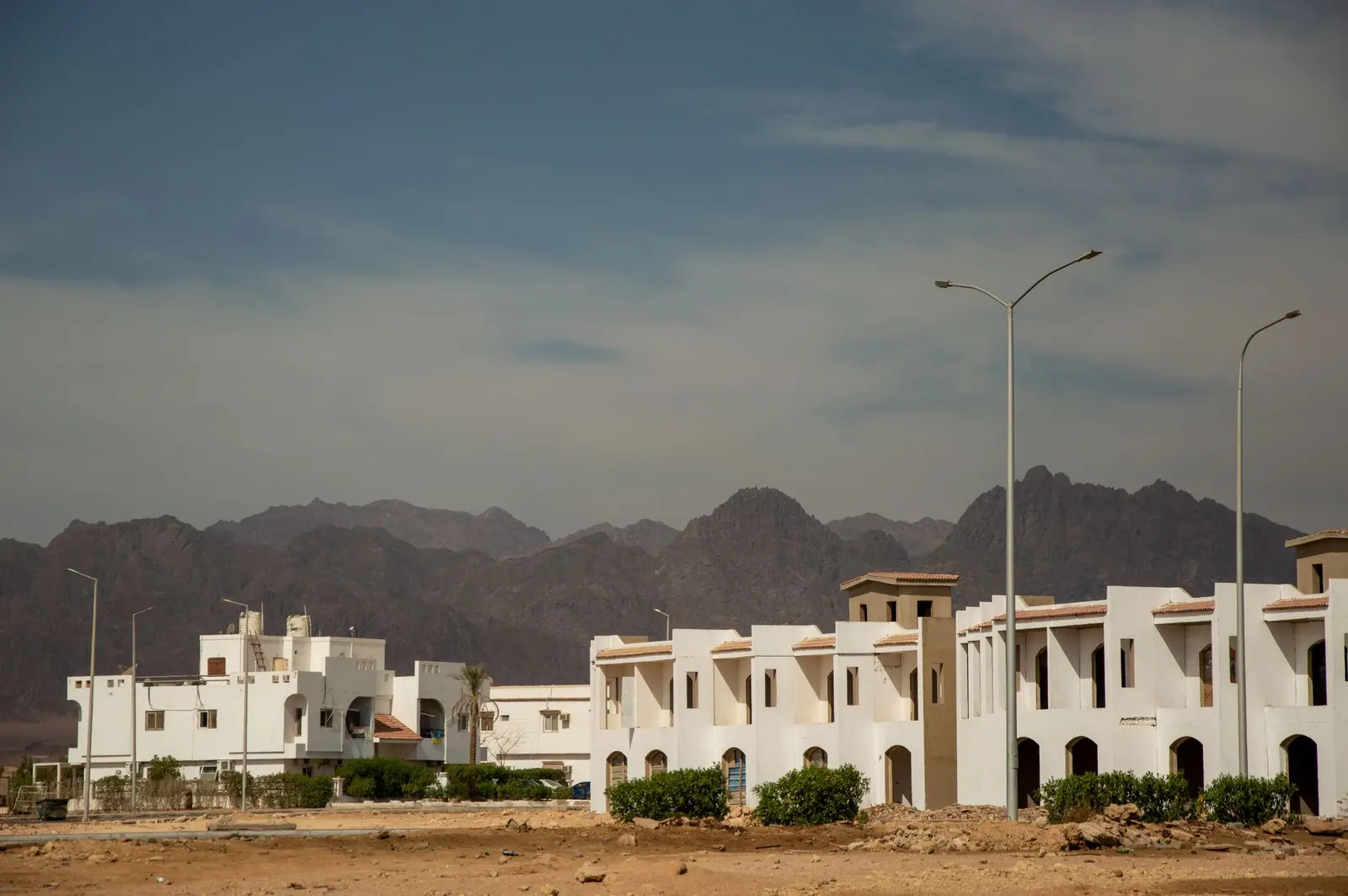
Several structural factors underpin interest in Egyptian property from overseas buyers.
Scale of new development. Egypt is building at a pace few countries can match. The New Administrative Capital alone covers roughly 700 square kilometres and is designed to house millions of residents. Entire districts, business parks, embassies and government ministries are relocating there, creating genuine long-term demand.
Extended payment plans. Developers routinely offer payment plans stretching from five to ten years, with relatively modest deposits — sometimes as low as 5-10% of the purchase price. This allows investors to acquire property at today's prices while spreading the cost, which has proven attractive during periods of high Egyptian pound (EGP) inflation.
USD-linked pricing. Many developers, particularly those targeting international buyers in resort and premium urban markets, price and receive payment in US dollars or euros. This partially insulates buyers from the EGP's volatility at the point of purchase, though operational costs and local taxes remain in local currency.
Residency pathway. Egypt introduced a formal residency-by-investment scheme linked to property purchase. A qualifying investment from USD 100,000 can open a renewable residency permit. See our Egypt residency by property investment guide for full details.
Key Investment Locations
New Administrative Capital (NAC)
The NAC is Egypt's flagship megaproject, situated roughly 45 kilometres east of central Cairo. Construction has been underway since 2015, with the first government ministries relocating and early residential communities handed over. The city is designed with a central business district, an arts and culture district, a large diplomatic quarter, and numerous residential neighbourhoods ranging from affordable social housing to high-end gated communities.
For investors, the NAC represents both opportunity and patience. Infrastructure is still maturing, and rental demand from residents and government employees is only beginning to develop. Capital growth projections from developers are invariably optimistic; independent assessment suggests more modest near-term yields while the city establishes itself. That said, the long-term structural case — a purpose-built capital with government backing — is hard to dismiss.
New Cairo
East of Cairo's historic centre, New Cairo is a well-established suburb that has grown rapidly over the past two decades. Districts such as the Fifth Settlement (Al-Tagamoa Al-Khames) and Rehab City offer a mix of villas, townhouses and apartments in gated communities, and the area is home to international schools, private hospitals, shopping centres and corporate headquarters.
New Cairo is arguably the most liquid segment of Egypt's mid-to-upper residential market. Rental demand is underpinned by expatriate professionals and Egyptian families seeking security and quality of life. Gross yields of 6-9% have been reported in parts of the district, though these figures vary significantly by property type and management quality. Verify any yield claims independently before purchase.
North Coast (Sahel)
Egypt's Mediterranean coastline — commonly called the North Coast or Sahel — stretches west of Alexandria towards Marsa Matrouh. It is primarily a domestic holiday market, with Egyptians from Cairo and Alexandria purchasing or renting beach chalets and apartments for the summer season.
International investors should understand the seasonal nature of this market. Properties often sit empty for eight or nine months of the year, making annual rental income highly dependent on the summer peak. In recent years, some developers have introduced year-round amenity villages that extend the season, but the North Coast remains largely a lifestyle and capital appreciation play rather than a steady rental income story.
Red Sea Resorts — Hurghada and Beyond
Hurghada has been attracting European holiday-home buyers for decades, making it one of Egypt's most internationally accessible property markets. Property prices are among the lowest in the Mediterranean and Red Sea region, and the town has a functioning secondary market — meaning resale is generally more straightforward than in purely off-plan-dominated areas.
El Gouna, a private resort town north of Hurghada developed by Orascom, caters to a wealthier international buyer and commands premium prices accordingly. Further south, Sahl Hasheesh and Makadi Bay are established resort zones with international hotel brands and residential communities. Soma Bay and Marsa Alam attract buyers seeking quieter, less developed alternatives.
Hurghada in particular benefits from year-round sunshine, direct flights from Europe, and an established short-term rental market. Currency-denominated pricing (many listings are quoted in euros) offers some protection for European buyers.
Understanding Currency Risk
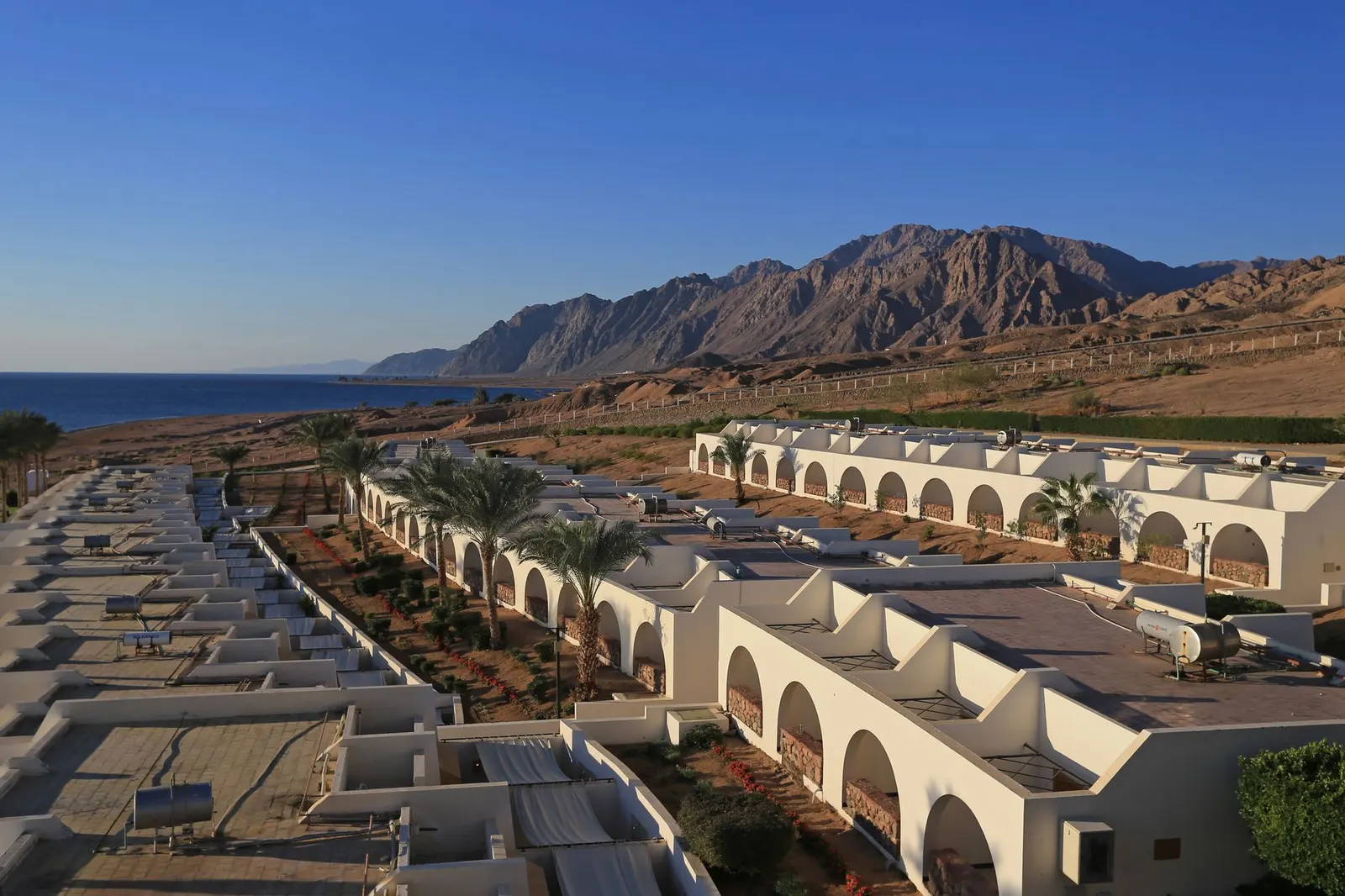
No honest assessment of Egypt property investment can avoid this subject. The Egyptian pound has undergone a series of significant devaluations since 2016, losing the majority of its value against major currencies over that period. While this has boosted nominal property prices in EGP terms — creating headline figures that look like strong growth — investors whose home currency is USD, GBP or EUR have seen those gains substantially reduced or eliminated in real terms.
The mitigating factors are: USD-linked pricing on developer projects, which protects at the point of purchase; and the long payment-plan structures, which spread exposure. However, operating costs, service charges, property taxes, and eventual EGP-denominated sale proceeds all remain subject to currency fluctuation.
Investors should model their returns in their home currency, not in Egyptian pounds, and stress-test those returns under further devaluation scenarios. This is not a deterrent to investment, but it is a discipline that separates informed from uninformed buyers.
Market Structure: Off-Plan Dominance
The new-build and off-plan segment dominates Egypt's formal property market. Major listed developers — including Emaar Misr, Talaat Moustafa Group, SODIC, Palm Hills Developments, and others — account for a large proportion of supply in the locations described above.
Off-plan purchases carry specific risks: construction delays are common; developer financial health matters; and the contract terms governing payment plan defaults, handover timelines and dispute resolution deserve careful review. Our guide to buying property in Egypt covers the legal process in detail, including the critical distinction between registered title and court-validated contracts.
Taxes, Fees and Ongoing Costs
Egypt levies an annual property tax calculated at 10% of the assessed rental value of the property (with exemptions for lower-value properties), registration fees on purchase, and a 2.5% tax on gross sale proceeds for sellers. There is currently no inheritance tax in Egypt. Our dedicated Egypt property taxes and fees guide sets out the full picture.
Investors should also confirm their home-country tax obligations on overseas rental income and capital gains, as these vary widely.
Comparing Egypt to Peer Markets
| Factor | Egypt | UAE (Dubai) | Morocco |
|---|---|---|---|
| Entry price (approx.) | From USD 100k | From USD 200k | From EUR 100k |
| Currency risk | High (EGP) | Low (AED pegged to USD) | Moderate (MAD) |
| Off-plan availability | Extensive | Extensive | Moderate |
| Foreign ownership rules | Restricted (max 2 units) | Freehold in designated zones | Restricted |
| Residency link | Yes (from USD 100k) | Yes (from AED 750k) | Limited |
| Yield (projected, gross) | 6-10% | 5-8% | 4-7% |
Figures are indicative as of mid-2026 and subject to change. Independent verification is essential.
Browse Egyptian Property Listings
Global Investments maintains a curated selection of vetted opportunities across the locations described above. Browse Egyptian property listings to see current options, indicative pricing and developer details.
How Global Investments Can Help
Global Investments has spent over 32 years guiding clients through international property markets, and Egypt is a market we follow closely. We can introduce you to reputable developers, help you structure your currency exposure sensibly, and connect you with qualified local legal counsel. Speak to our team for an initial conversation with no obligation.