
Thailand remains one of South-East Asia's most active destinations for international property investment. A stable legal framework for condominium ownership, a well-developed tourism industry and improving infrastructure across four distinct market centres make the country a realistic option for expat and offshore investors seeking both capital growth and rental income. As with any overseas investment, values can fall as well as rise, and professional legal and financial advice is essential before proceeding.
Why Thailand Attracts International Investors
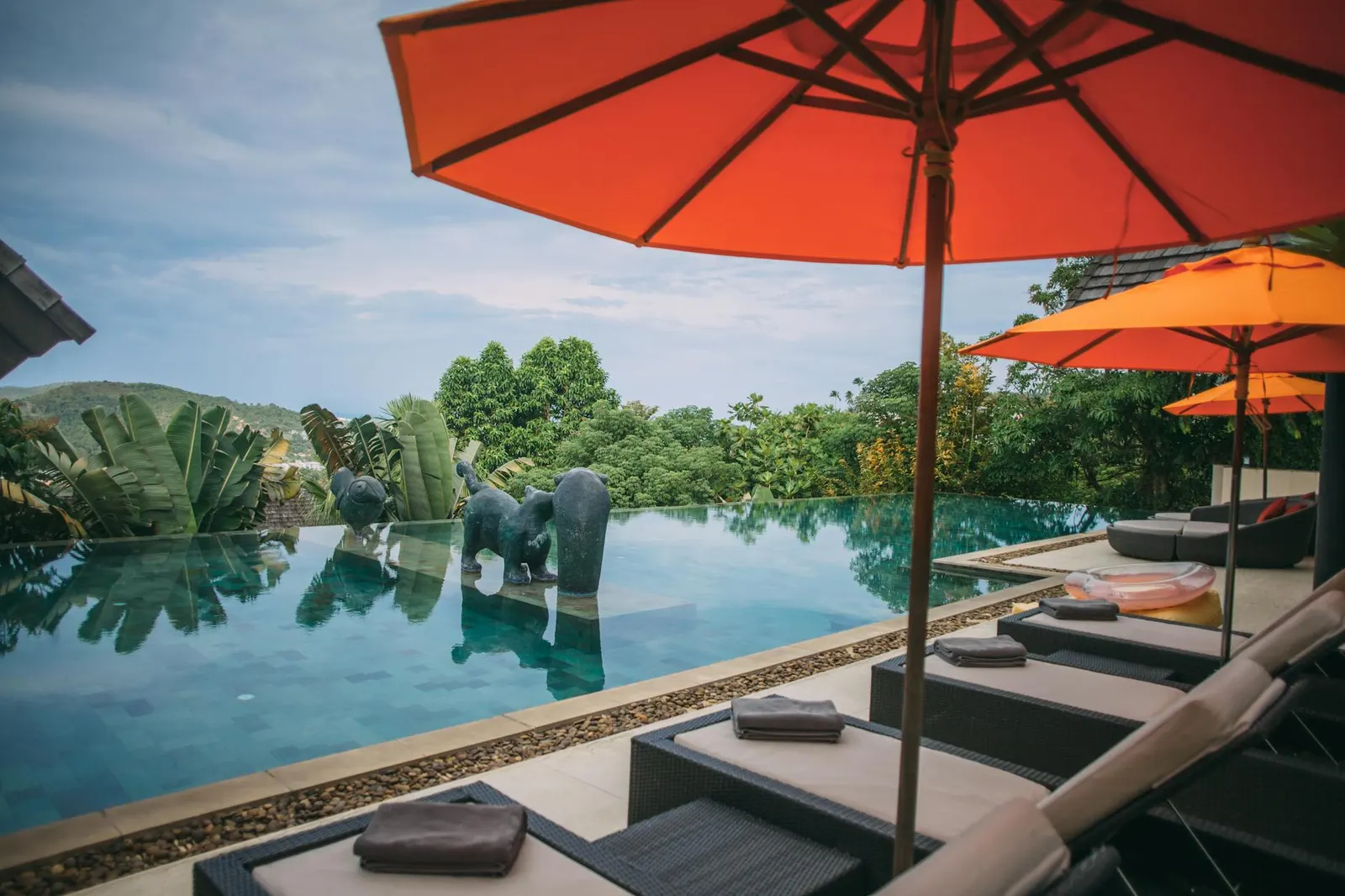
Thailand's appeal rests on several foundations that have remained broadly consistent for two decades. International visitor numbers have recovered strongly since 2022 and continue to support short-term rental demand in resort locations. Bangkok's status as a regional business hub drives demand for long-stay corporate lets and serviced apartments. Infrastructure investment — including Bangkok's expanding rail network and upgraded regional airports — has opened previously secondary markets.
For investors holding currencies such as US dollars, euros or sterling, the Thai baht has historically provided a degree of purchasing-power opportunity, though currency movements can work in either direction and add a layer of risk to any cross-border investment.
The government's Long-Term Resident (LTR) visa programme, introduced in 2022 and refined since, provides a framework that actively encourages qualifying foreign capital into the country. A minimum qualifying real estate investment can form part of the LTR application — see our LTR Visa Property Guide for full details.
The Four Main Investment Markets
Phuket
Phuket is Thailand's largest island and its most internationally recognised resort destination. The property market is dominated by condominium developments — ranging from compact studio units targeted at short-term rental investors to large-format luxury residences — alongside a growing villa sector held predominantly through leasehold structures.
Resort areas along the west coast (Patong, Kamala, Bang Tao and Surin) attract the highest tourist volumes and support active short-term rental markets managed through specialist operators. Gross yields in well-managed developments in these locations have ranged broadly between 6% and 9% in recent years, though occupancy, management quality and seasonality all affect net returns materially. Investors should request audited rental histories rather than relying solely on developer projections.
The north of the island around Laguna and Layan has developed a more residential character, with longer-stay tenants and a growing expatriate community. Values here have risen steadily since 2020 on the back of constrained supply and increased demand from remote workers.
Bangkok
Bangkok's condominium market is the largest and most liquid in Thailand. The capital offers a wider range of price points than the resort markets, from entry-level units near BTS or MRT stations through to premium high-rise residences in the CBD districts of Silom, Sathorn and Sukhumvit.
Rental demand is driven by corporate tenants, embassy staff, students and a large domestic professional population. Gross yields for well-located units typically range from 4% to 6%, lower than resort markets but with potentially stronger capital appreciation in prime areas over longer hold periods. Off-plan purchases in Bangkok require careful due diligence on developer track record and construction timelines.
The Bangkok market is sensitive to economic and political conditions. Investors with a shorter time horizon should take particular care to stress-test yield assumptions.
Pattaya
Pattaya, located approximately two hours south of Bangkok on the Eastern Seaboard, offers some of Thailand's most competitively priced resort property. Entry-level condominium prices are accessible by regional standards, and the market has attracted significant interest from buyers in Eastern Europe, Russia, the Middle East and China.
The city's proximity to the Eastern Economic Corridor (EEC) — Thailand's flagship industrial and technology development zone — has added a corporate rental dimension to what was previously a predominantly leisure-driven market. Infrastructure improvements, including upgrades to U-Tapao Airport and planned high-speed rail links, are expected to support demand over the medium term, though timelines for infrastructure projects in Thailand have historically been subject to revision.
Buyers should be aware that Pattaya's condominium market is large and varied in quality. Thorough due diligence on both the development and the management operator is particularly important here.
Koh Samui
Koh Samui is Thailand's second-largest island and offers a more boutique investment environment than Phuket. The market is smaller, less liquid, and characterised by higher-end villa and boutique resort developments rather than large condominium blocks.
Foreign ownership here follows the same rules as the rest of Thailand: condominium freehold within quota, or leasehold structures for villa and land-linked property. Given the island's building restrictions and limited new supply, well-located properties have generally held value, though the market can be illiquid and re-sale timelines longer than in Bangkok or Phuket.
Koh Samui suits investors with a longer time horizon, a preference for lifestyle-oriented assets and an understanding of the additional complexity of operating in a smaller, more specialist market.
Ownership Structures at a Glance
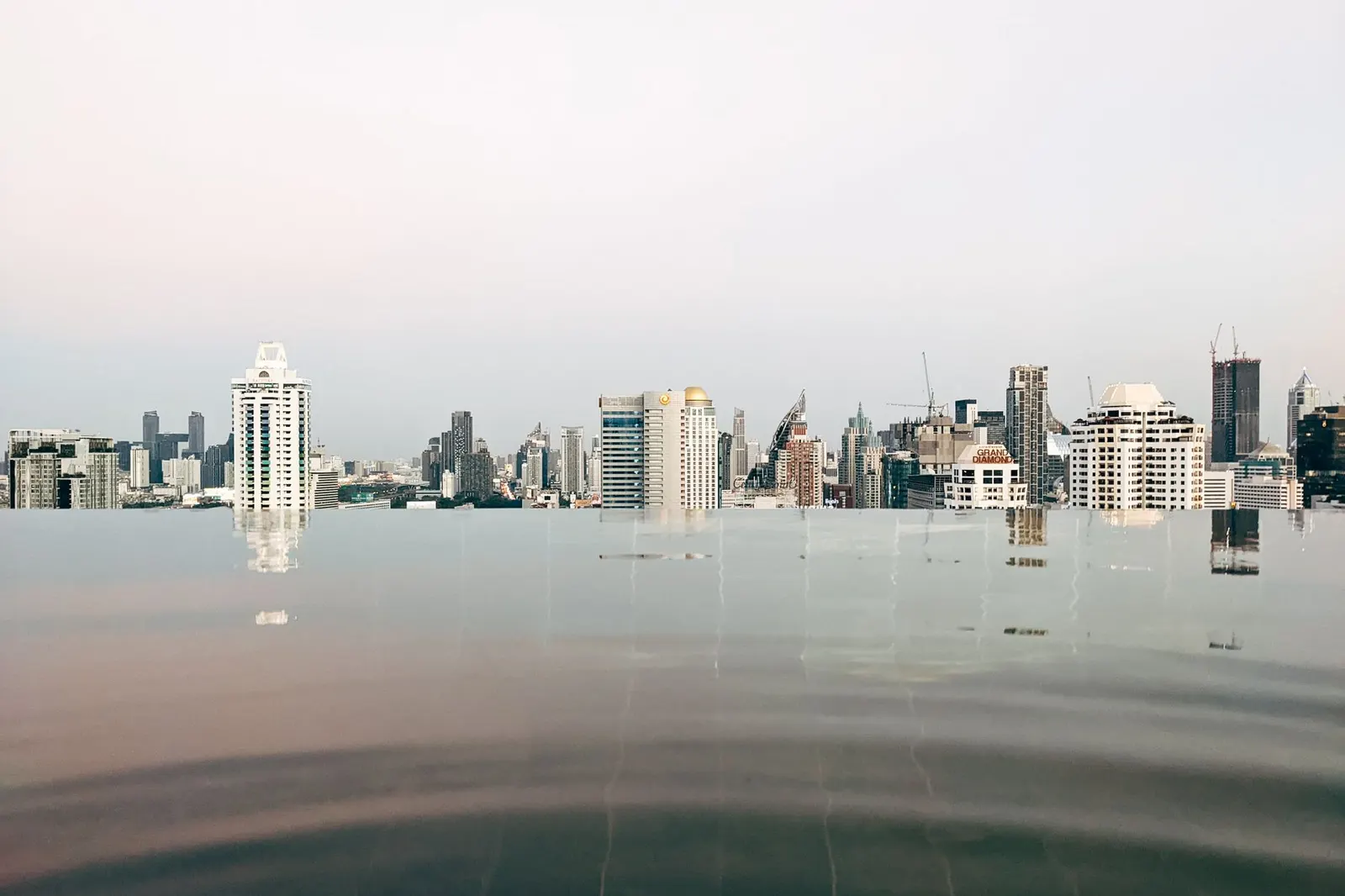
Thai property law limits foreign ownership of land. The principal routes for international investors are:
| Structure | Asset type | Ownership position | Notes |
|---|---|---|---|
| Freehold condominium | Condo unit | Full ownership | Within 49% foreign quota per building |
| Leasehold | Villa, house, land | Long-term lease (30 years, renewable) | Registered at Land Department |
| Superficies / usufruct | Land-linked | Right to use and build | Must be properly registered |
Nominee arrangements — using Thai nationals as nominal shareholders to hold land on behalf of a foreigner — are illegal and are not a structure Global Investments recommends or facilitates. See our buying guide for a full explanation of permitted structures.
Taxes and Transaction Costs
Buyers should budget for transfer fees, specific business tax or stamp duty, and withholding tax on the seller's side (which can affect net pricing in resale transactions). Annual land and building tax applies to all property. Rental income earned by non-residents is subject to Thai withholding tax. Our Thailand property taxes and fees guide covers these costs in detail.
Market Outlook as of 2026
Demand from international buyers has been supported by the LTR visa programme, continued tourism recovery and renewed interest from buyers relocating from higher-cost regional hubs. Supply pipelines vary significantly by location: Phuket continues to see active new development, while Koh Samui remains supply-constrained. Bangkok's premium segments have attracted sustained interest from buyers seeking currency diversification.
Investors should conduct independent market research, take legal advice from a qualified Thai lawyer, and consider the tax position in both Thailand and their country of residence before committing funds. Global Investments does not offer tax advice.
Browse Available Listings
A selection of screened properties across Phuket, Bangkok, Pattaya and Koh Samui is available through our Thailand listings. Our team can provide introductions to qualified local legal advisers and assist with due diligence processes.
How Global Investments can help
Global Investments has worked with international property investors for over 32 years, providing access to screened opportunities across Thailand's principal markets. Our team can assist with market orientation, developer due diligence and introductions to independent legal and tax professionals. Contact us to discuss your objectives or visit our listings to explore current opportunities.
Frequently asked questions
Can foreigners own property outright in Thailand?
Foreigners can own condominium units in freehold within the 49% foreign quota per building, but cannot own land directly.
What gross rental yields can investors expect in Phuket?
Beachfront and resort condominiums in Phuket have delivered gross yields in the range of 6-9% in recent years, though returns vary by location, management and occupancy, and past performance is not a guide to future results.
Is a Thai visa required to purchase property?
No visa is required to purchase a condominium, though investors spending significant time in Thailand should take advice on the most appropriate visa category, including the Long-Term Resident visa.
What is the LTR visa and how does property investment relate to it?
The Long-Term Resident visa offers a 10-year stay and certain tax benefits; the Wealthy Global Citizen category requires, among other conditions, a minimum USD 500,000 investment in Thailand, which can include qualifying real estate.
Are nominee structures a viable route to land ownership?
No. Nominee arrangements designed to circumvent foreign ownership restrictions are illegal under Thai law and carry serious legal and financial risk.