
Spain has attracted international property buyers for decades, and its appeal has not dimmed. A combination of reliable sunshine, good air connectivity, a mature legal framework and a well-developed rental market makes it one of the most investable destinations for expatriate and overseas investors. As of 2026, demand from Northern European, American and Middle Eastern buyers remains firm across most major markets.
As with all investments, property values can fall as well as rise. Buyers should seek qualified legal and financial advice before committing funds.
Why Spain?
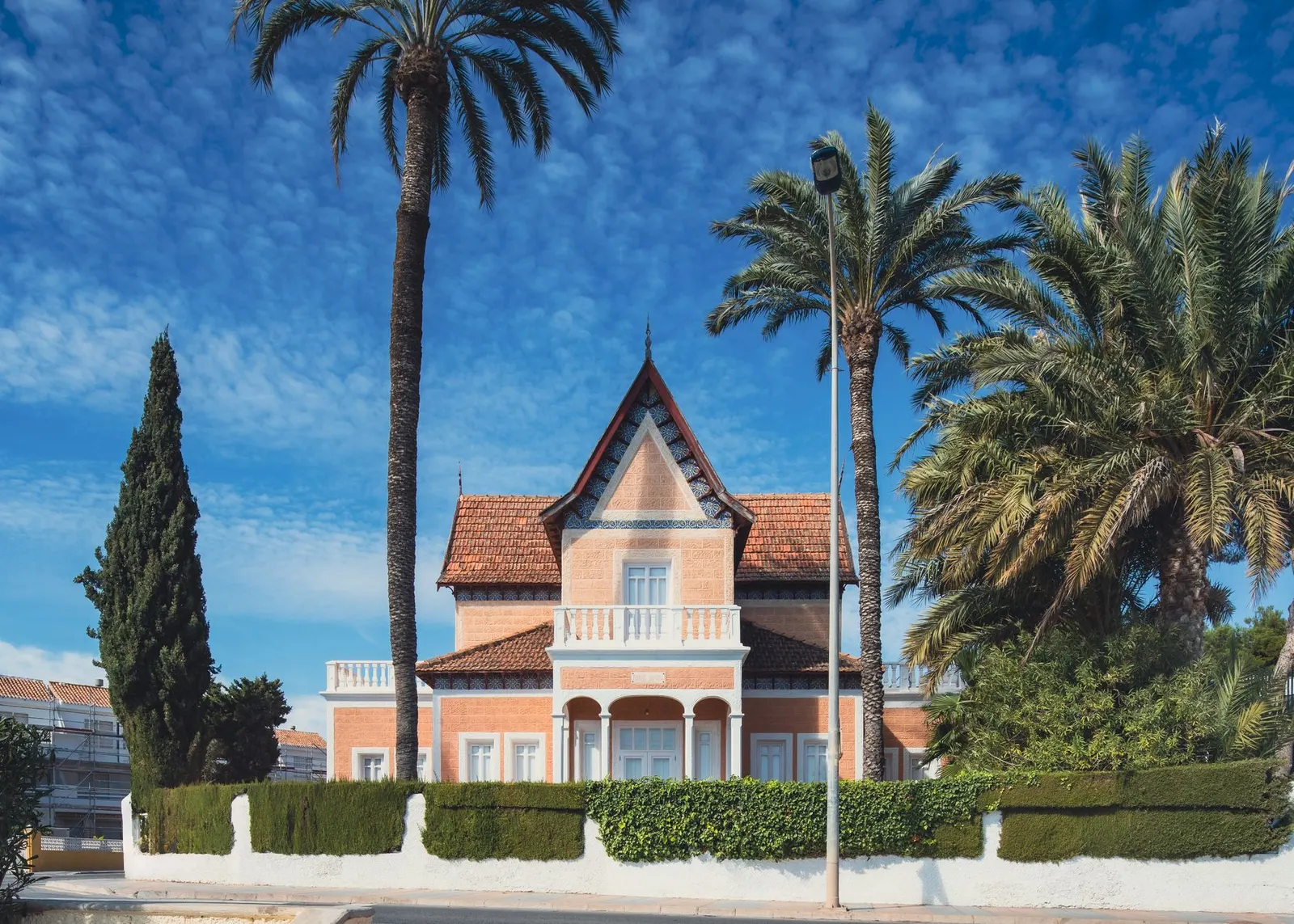
Spain's property market is underpinned by fundamentals that few European countries can match: over 300 days of sunshine per year across its southern and eastern coasts, a large and growing international tourist base, and a legal system that protects foreign ownership without restriction. Non-residents may purchase property freely; there is no cap on overseas ownership.
Key investor attractions include:
- Liquid resale market in established tourist and urban zones
- Strong short-term rental demand along both coasts and in major cities
- Transparent land registry and notarial system providing clear title
- EU membership ensuring consistent regulatory standards
- Relatively low entry prices compared with France, Italy or the UK for equivalent coastal property
Gross yields of 4–6% are commonly achieved on long-term lets, with well-positioned holiday-let properties in prime coastal areas frequently exceeding that range, subject to licensing, management costs and seasonality.
Key Investment Locations
Costa del Sol
The Costa del Sol — stretching from Málaga through Marbella to Estepona — is Spain's best-known luxury coastal market. Marbella, in particular, commands premium pricing and attracts high-net-worth buyers from across Europe, the Gulf states and the Americas. The Golden Mile, Nueva Andalucía and Benahavís continue to see strong demand for villas and gated community apartments.
Málaga city itself has evolved significantly: it now hosts a growing tech-sector workforce and attracts urban long-term tenants alongside traditional holiday buyers. Entry-level apartments in Málaga city offer some of the more accessible yields on the coast.
Costa Blanca
Stretching from Dénia in the north to Torrevieja in the south, the Costa Blanca offers a broad price spectrum. The northern stretch — Jávea, Moraira, Altea — is characterised by higher-value properties and an affluent resident expat community. The southern Costa Blanca, including Torrevieja and Orihuela Costa, offers lower entry prices and active resale volumes, making it popular with value-oriented buyers.
Alicante city provides urban rental demand driven by its university, airport connectivity and growing digital-nomad community.
Balearic Islands
Mallorca, Ibiza, Menorca and Formentera occupy a distinct position in the Spanish market. Supply is constrained — new-build residential development is tightly regulated, particularly in Mallorca and Menorca — which provides a degree of capital value protection over the long term. Ibiza's ultra-prime market commands some of the highest per-square-metre prices in Spain.
Investors should be aware that holiday rental licences (Estancias Turísticas) on the Balearics are subject to ongoing restrictions; the licence landscape in Mallorca and Ibiza has tightened considerably in recent years and buyers must verify licensing status carefully before purchasing with rental income as the primary objective. Professional legal advice is essential here.
Madrid
Spain's capital offers a different investment case: a predominantly residential long-term rental market driven by a large professional and student population. Neighbourhoods such as Salamanca, Chamberí and Retiro command premium rents and retain capital well. More affordable entry points exist in Carabanchel, Vallecas and the emerging Tetuán district.
Madrid's market has shown consistent resilience and is less exposed to tourism seasonality than the costas. Gross yields of 3.5–5% are typical for prime central districts, with outer districts offering higher percentage returns at different risk profiles.
Barcelona
Barcelona remains one of the most internationally recognised city markets in Europe. Political uncertainty around Catalan independence has periodically affected sentiment, though market activity has remained robust. The city government has at various points restricted new tourist licence issuance and imposed controls on long-term rental pricing; regulatory risk is a meaningful consideration here and must be assessed on a district-by-district basis.
Demand from international tenants and buyers in Eixample, Gràcia and Poblenou is strong. Investors seeking urban Spanish exposure should weigh Barcelona's higher regulatory complexity against Madrid's comparatively more stable environment.
Valencia
Valencia is one of Spain's fastest-growing urban investment markets. It offers competitive pricing relative to Madrid and Barcelona, a large student and professional rental pool, a growing international resident community and improving infrastructure. The city's quality of life rankings have drawn significant attention since the mid-2020s and inbound buyer interest has risen accordingly. Ruzafa, El Carmen and the emerging Benimaclet district attract both lifestyle buyers and yield-focused investors.
Buying Costs

Buyers should budget 10–14% of the purchase price in acquisition costs above and beyond the agreed price. These include:
| Cost | Resale | New-build |
|---|---|---|
| Transfer Tax (ITP) | 6–10% (varies by region) | Not applicable |
| VAT (IVA) | Not applicable | 10% |
| Stamp Duty (AJD) | Included in ITP | 0.5–1.5% |
| Notary fees | ~0.5% | ~0.5% |
| Land registry fees | ~0.3% | ~0.3% |
| Legal / gestoría fees | ~1–1.5% | ~1–1.5% |
For a full breakdown, see our guide to Spain property taxes for foreign buyers.
Residency and Visa Considerations
Spain's Golden Visa — which previously granted residency to property buyers investing €500,000 or more — was formally closed on 3 April 2025. Property purchases no longer confer residency rights.
Foreign nationals may still purchase property freely without any residency requirement. For those seeking to reside in Spain, alternative pathways exist including the Non-Lucrative Visa and the Digital Nomad Visa. A full overview is available in our guide to Spain residency options after the Golden Visa.
Step-by-Step: How the Purchase Process Works
The Spanish purchase process is straightforward when managed correctly, but requires specific legal steps. A qualified abogado (property lawyer) or gestoría is essential. See our detailed walkthrough in how to buy property in Spain.
Current Listings
Explore our curated selection of Spanish investment properties across all the above markets at /listings.
How Global Investments Can Help
Global Investments has worked with international property buyers for over 32 years, and Spain forms a core part of our portfolio across residential, holiday and commercial asset classes. Our team can introduce you to vetted local legal professionals, independent tax advisers and property managers to support your purchase from initial search through to post-completion management. Please seek independent legal and financial advice before making any investment decision; past performance is not a guide to future results.