
Greece has repositioned itself from a country synonymous with financial crisis to one of the Mediterranean's most actively watched property markets. A decade of significant price correction, a tourism sector that continues to break annual records, and a structured residency-by-investment programme have all drawn international and expat buyers back to the market. As with any real estate investment, values can fall as well as rise, and local market conditions vary enormously between neighbourhoods, islands and asset classes.
Why Greece Attracts International Investors
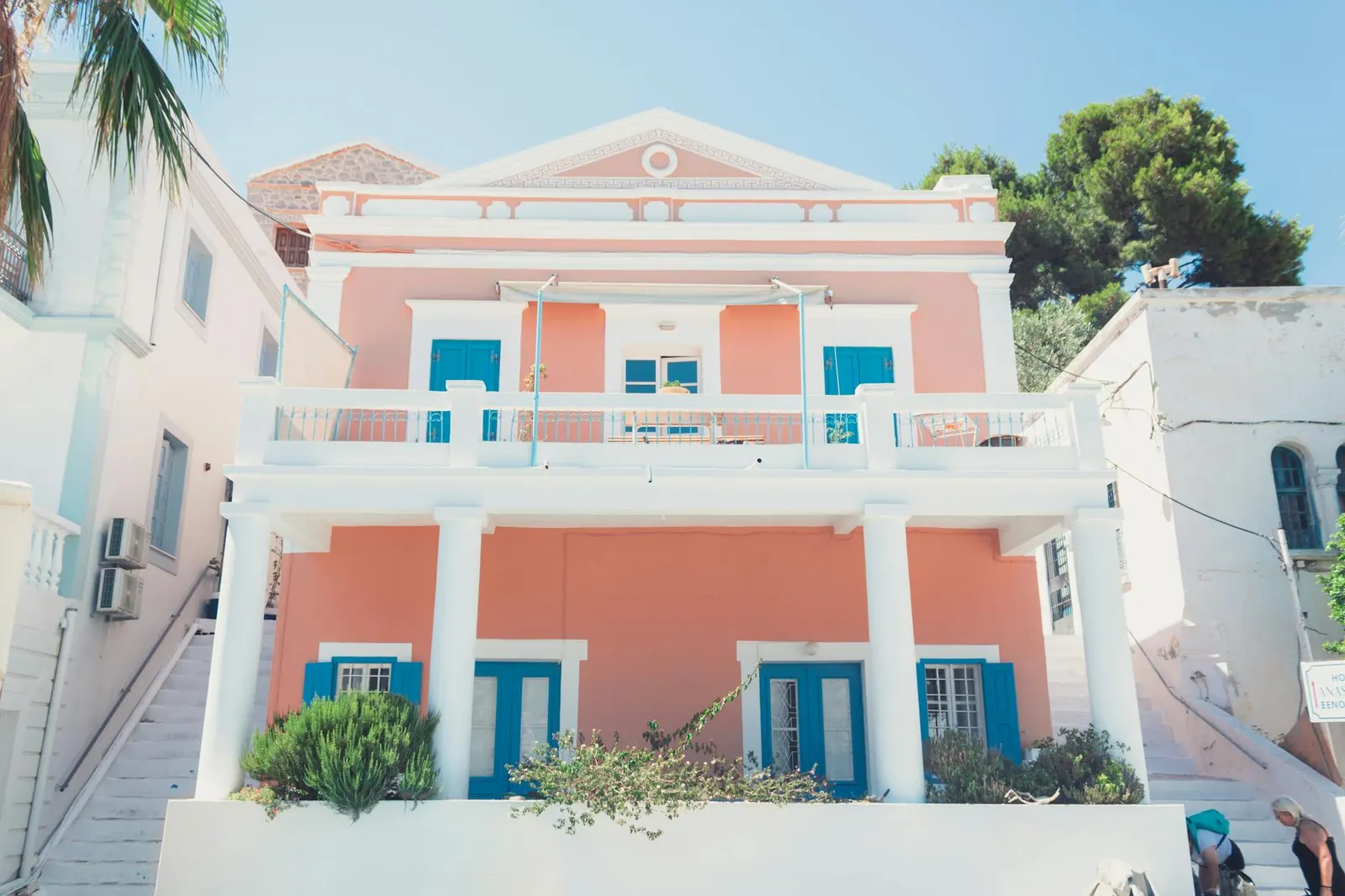
Several structural factors underpin demand from overseas buyers.
Tourism volume. Greece regularly welcomes more than 30 million international visitors a year, generating consistent short-term rental demand in coastal and urban hotspots. Strong occupancy rates in the right locations support gross rental yields in the 4–6% range for well-positioned assets, though this is not guaranteed and management costs must be factored in.
Price recovery narrative. Greek residential values fell sharply between 2008 and 2017. Since then, prime urban and coastal markets have recovered meaningfully, though prices in secondary locations remain well below pre-crisis peaks. Investors prepared to look beyond the most liquid submarkets may find relative value, though liquidity risk increases accordingly.
Golden Visa demand. Greece's residency-by-investment programme, restructured in September 2024, continues to draw buyers from outside the EU seeking Schengen access and long-term European residency for their families. The programme's tiered thresholds shape investment patterns across different regions.
Eurozone membership. Transacting in euros removes currency risk for eurozone-based investors and simplifies financial planning for those holding euro-denominated assets elsewhere.
Key Investment Locations
Athens
The capital remains the most liquid residential market in Greece. Central districts such as Kolonaki, Pagrati, Exarchia and Koukaki have seen sustained price growth driven by both domestic demand and international buyers. Renovation plays — purchasing older apartments, modernising them and either letting or reselling — have been a popular strategy, though the economics depend heavily on acquisition price, refurbishment costs and exit timing.
Athens falls within the highest Golden Visa investment threshold (€800,000 for residential property), reflecting the programme's intention to direct capital beyond the most sought-after areas.
Athens Riviera
The coastal strip south of Athens — stretching from Glyfada through Vouliagmeni to Varkiza — attracts premium buyers seeking proximity to the capital combined with beach access. Values here are among the highest per square metre outside central Athens. The Ellinikon development, a large-scale urban regeneration project on the site of the former international airport, is expected to introduce significant new high-end residential stock and infrastructure over the coming years, though timelines for large-scale developments should always be treated with caution.
Thessaloniki
Greece's second city offers a different investment profile. As a major port, university city and commercial hub, Thessaloniki has a stable rental market underpinned by student and professional demand. Entry prices remain lower than Athens for comparable assets. The city also falls under the elevated Golden Visa threshold of €800,000 for residential property.
The Islands
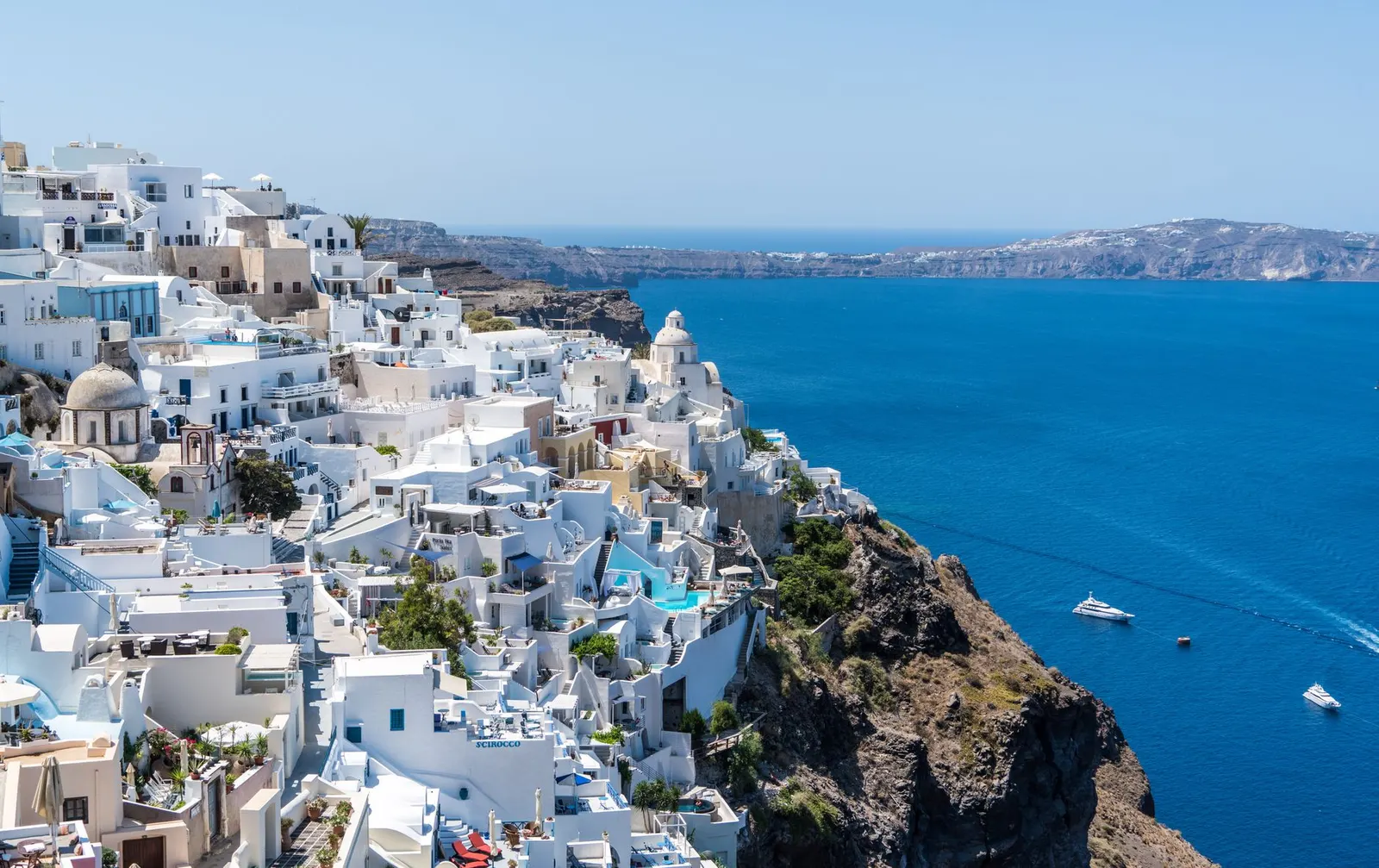
The Greek island market is highly fragmented. Santorini and Mykonos operate at the luxury end, commanding premium prices and — for Golden Visa purposes — carrying the €800,000 residential threshold. Larger populated islands such as Crete, Rhodes, Corfu and Paros offer a broader range of price points and buyer profiles, typically falling under the €400,000 Golden Visa threshold. Smaller islands with populations above 3,100 carry their own threshold considerations under the current programme rules.
Island properties carry specific due diligence requirements: land registry coverage is still incomplete in some areas, and proximity to coastal zones, archaeological protection areas and forest land can all affect permitted use and development rights. Engaging a qualified Greek lawyer before any offer is made is not optional — it is essential.
Property Types and Strategies
Short-term rental (STR) income. High tourist volumes make short-let income an attractive proposition, particularly on the islands and in Athens. However, Greece has tightened short-let registration requirements and introduced restrictions on Golden Visa properties being used as short-term rentals. Regulatory compliance must be confirmed before assuming this income stream is available.
Renovation and resale. Athens and Thessaloniki both contain significant stocks of pre-war and mid-century apartments that can be acquired below replacement cost and upgraded. This strategy requires reliable contractor relationships, realistic cost estimates and local market knowledge to execute successfully.
Buy-to-let (long term). Longer-term residential lettings offer more predictable income, though yields are generally lower than short-term equivalents. Rental income is subject to Greek progressive income tax, which should be modelled carefully — see our Greece property taxes and fees guide.
New-build commercial-to-residential conversions. The €250,000 Golden Visa tier specifically supports the conversion of commercial buildings to residential use and the restoration of listed buildings. This represents a niche but accessible entry point for investors comfortable with a development-adjacent strategy.
The Golden Visa Programme
Greece's Golden Visa, established in 2013, grants a five-year renewable residence permit to non-EU investors and their immediate families. There is no minimum stay requirement, and the permit enables visa-free travel within the Schengen Area. After seven years of qualifying residence, a path to Greek citizenship exists, though specific conditions apply.
Investment thresholds revised in September 2024 remain in force as of mid-2026. For a full breakdown of tiers, eligibility, process and family inclusion rules, see our dedicated Greece Golden Visa guide.
Due Diligence and the Buying Process
Purchasing property in Greece involves mandatory legal and notarial steps that differ significantly from the UK or US process. Buyers must obtain a Greek tax number (AFM), open a Greek bank account, and work with a licensed Greek lawyer and a notary. For Golden Visa purposes, funds must enter via the Greek banking system. Due diligence must include a title search at the land registry or cadastre to identify encumbrances, and an engineer's certificate confirming the property's legal compliance with planning and construction regulations.
For a step-by-step walkthrough, see our guide to buying property in Greece. For costs, see our Greece property taxes and fees guide.
Market Considerations and Risks
Greece's property market is not without risk. Liquidity is lower than in major western European markets, particularly outside Athens and the most-visited islands. Legal title issues remain more common than in some comparable markets, making thorough due diligence non-negotiable. Short-let regulation is evolving and could affect rental income assumptions. Tax treatment of rental income and capital gains is subject to change. Property values can and do fall.
Prospective investors should seek independent legal, tax and financial advice before proceeding. Global Investments does not provide legal or tax advice.
How Global Investments Can Help
Global Investments Properties has been supporting international and expat investors for over 32 years across wealth management and, through this platform, international real estate. Our team can introduce you to vetted listings in Greece and connect you with qualified local legal and tax professionals. To explore Greek property investment further, browse our residency and citizenship resources or speak with our team directly.