
Cyprus sits at the crossroads of Europe, the Middle East, and North Africa — a position that has shaped its role as one of the Mediterranean's most established destinations for international property investment. EU membership since 2004, a common-law legal system inherited from British administration, widespread use of English, and a resilient economy built on tourism, shipping, and financial services together make the island consistently attractive to expat and overseas buyers.
At Global Investments, we have observed the Cyprus market across more than three decades of wealth management work. Our headquarters are in Cyprus, which means our knowledge of local legal structures, developer relationships, and market cycles is direct rather than second-hand. That perspective informs everything we offer to clients considering property here.
As with all property investment, values can fall as well as rise. Professional legal and financial advice specific to your circumstances is always recommended before committing.
Why Cyprus Appeals to International Investors
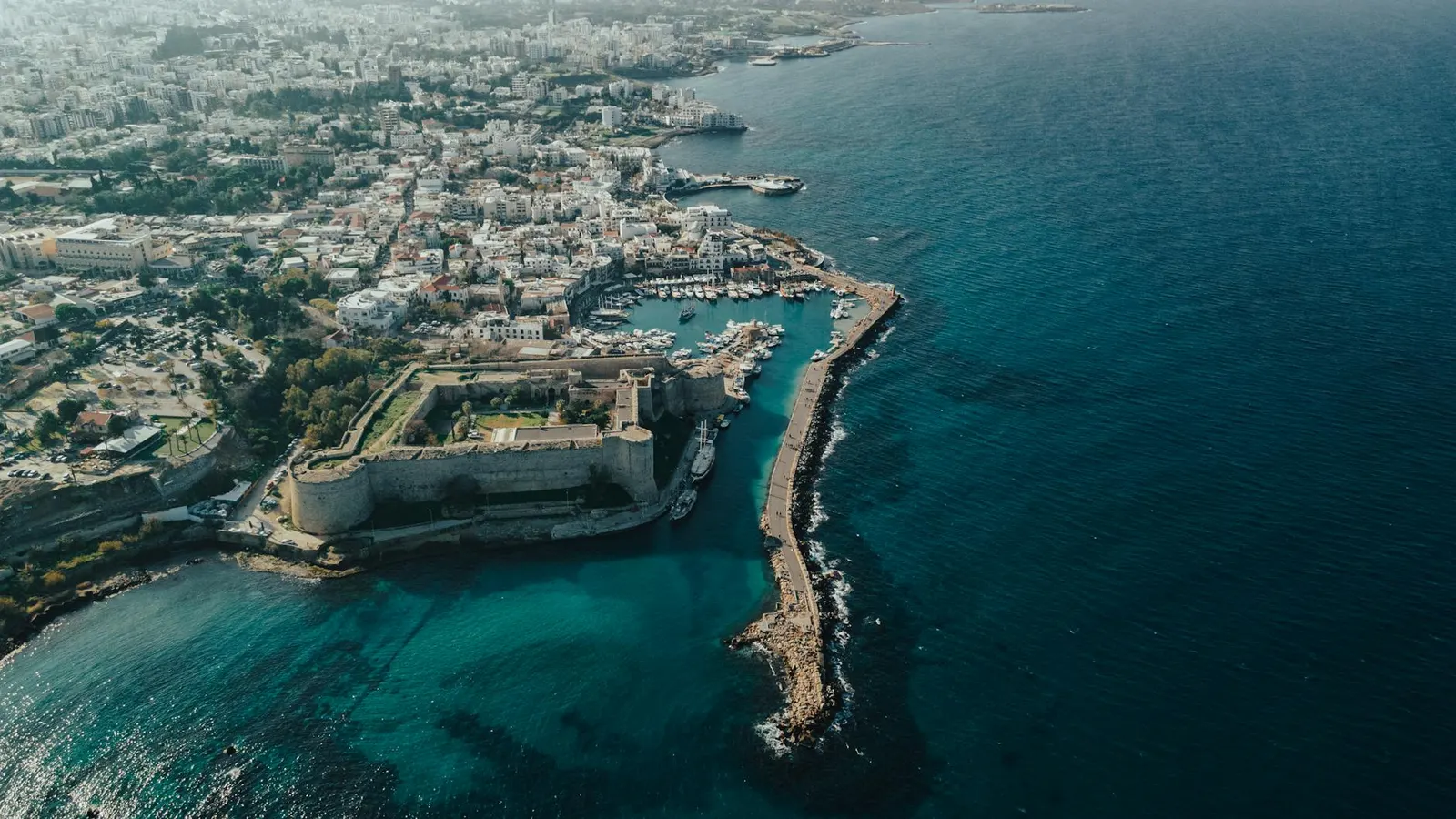
EU Legal and Financial Framework
Cyprus operates within European Union law, giving buyers the protections that come with EU property and consumer legislation. Title deeds are registered at the Department of Lands and Surveys, contracts can be deposited for specific performance protection, and disputes fall under a court system modelled on English common law. For buyers from common-law jurisdictions — the UK, Australia, South Africa, India — the legal environment feels more familiar than civil-law alternatives in continental Europe.
English as a Working Language
English is used in courts, government departments, estate agencies, law firms, and most commercial settings across Cyprus. Lease agreements, sale contracts, and planning documents are commonly available in English. This practical advantage reduces friction for expat buyers navigating a foreign purchase process and remains one of Cyprus's most underappreciated assets.
Tourism and Business Relocation Demand
Cyprus welcomed over four million visitors annually in the period leading into 2026, supporting a short-term rental market particularly active in coastal areas. Separately, a growing number of international companies — attracted by low corporate tax rates, EU passporting, and quality of life — have relocated headquarters or regional offices to the island, sustaining demand for long-term residential lets from relocated employees and executives.
The Permanent Residency Pathway
Cyprus offers a straightforward fast-track permanent residency route for property purchasers meeting the qualifying investment threshold. Residency is granted for life and can include family members. This pathway adds a dimension beyond pure investment return for many buyers — see our dedicated Cyprus Permanent Residency Guide for full details.
Key Markets Across Cyprus
Limassol
Limassol is Cyprus's commercial and financial capital in practical terms. The city's port handles significant cargo and passenger traffic, and its central business district hosts the majority of international companies registered on the island. Demand for residential property — both owned and rented — is driven by a large community of professionals, executives, and their families, many on long-term relocations.
The Limassol Marina and beachfront developments along the coastal strip attract premium pricing, with luxury apartments and branded residences appealing to high-net-worth buyers from the Gulf, Eastern Europe, and further afield. Gross rental yields in Limassol's mid-market residential segment have generally run in the 4–6% range as of 2026, though individual results depend heavily on specification, location, and management.
Supply of new development remains active, so buyers should assess pipeline inventory carefully before committing. Our property listings include current Limassol opportunities across price points.
Paphos
Paphos, on the south-west coast, is Cyprus's most established destination for British and Northern European buyers. A UNESCO World Heritage Site, international airport, and long-established expat community combine with a slower pace of life and strong tourist infrastructure. The market here tends toward villas, townhouses, and smaller apartment developments rather than the high-rise towers more common in Limassol.
Short-term holiday letting is a meaningful part of the Paphos investment case given the high proportion of leisure visitors to the region. Buyers should check local planning and licensing conditions before marketing a property for short-term rental. Resale stock is plentiful alongside new development, offering more room to negotiate on price.
Larnaca
Larnaca is undergoing a sustained period of urban and infrastructure investment as of 2026. A major marina and coastal development project, combined with expansion of Larnaca International Airport, has drawn renewed developer attention to a city that had previously been viewed as secondary to Limassol and Paphos by international buyers. Property prices in Larnaca remain lower in absolute terms than the two established coastal markets, which some investors view as a longer-term opportunity, though development timelines for large public infrastructure projects are never guaranteed.
The city has a diverse resident population including a long-standing community of expat retirees and more recently arrived remote workers and business owners. Rental demand spans short-term tourist lets in summer and year-round residential lets from the expatriate and local professional community.
Nicosia
Nicosia, the capital, is the least obviously tourist-focused of the four main markets but offers a different investment rationale. As the seat of government, the legal profession, major banks, and the University of Cyprus, Nicosia supports steady demand for long-term residential and commercial property. Yields here tend to be more stable, underpinned by institutional and professional tenants, but capital appreciation has historically been more modest than in coastal markets.
The divided nature of the city — the northern portion remains under Turkish administration, separated by a UN-monitored buffer zone — is a practical reality that shapes the Nicosia property market's geography. All properties offered through Global Investments Properties are within the Republic of Cyprus and carry valid title deeds.
Buying Process at a Glance
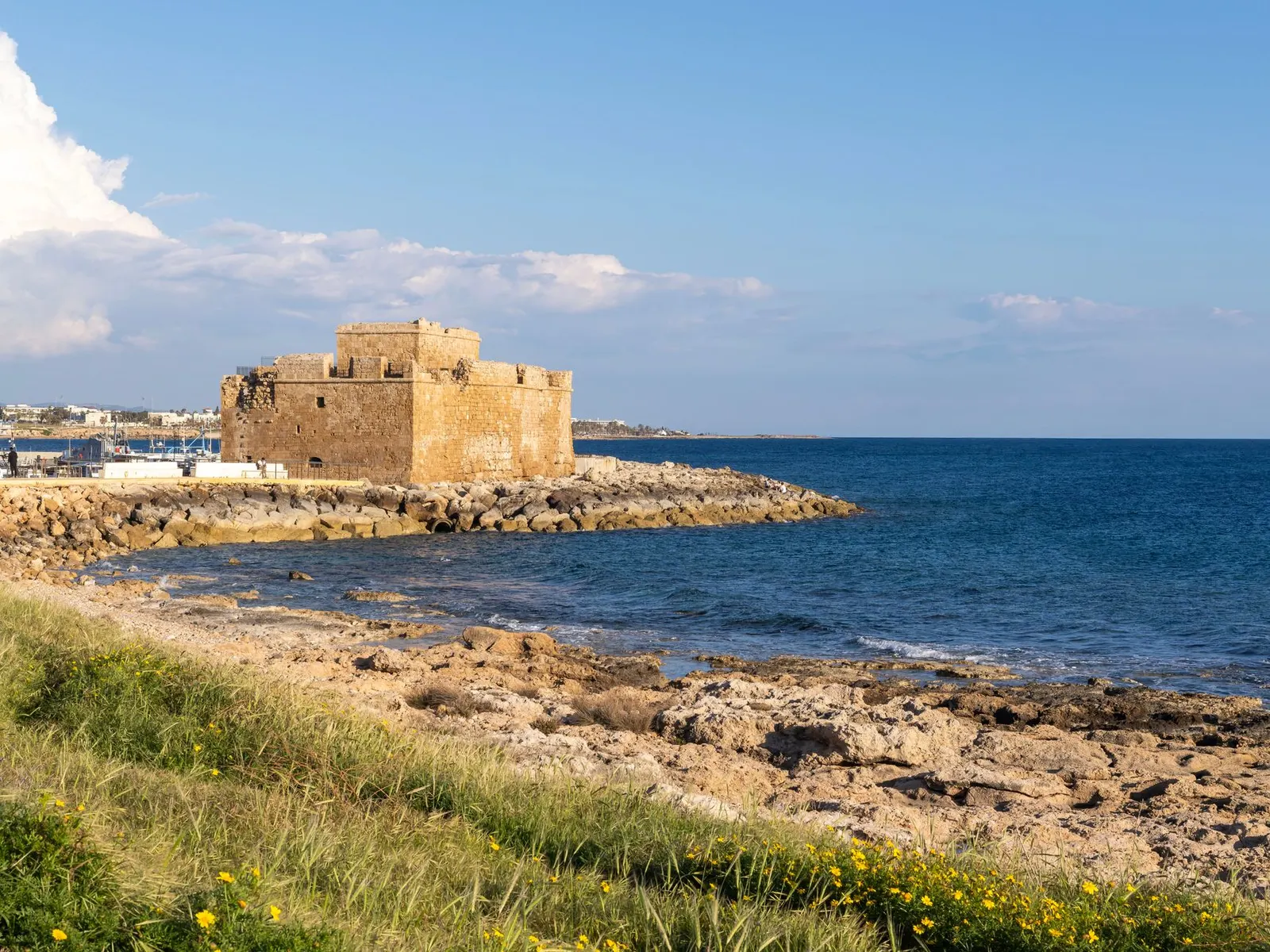
The Cyprus purchase process is well-structured by regional standards. Non-EU buyers require Council of Ministers permission to purchase — in practice a routine step for a primary residence or investment property within standard size limits. A solicitor is not optional; engaging one before signing anything is the single most important step any buyer can take. Checking that title deeds exist, are clean, and are free from encumbrances protects against the most common problems encountered in the market.
For a complete step-by-step walkthrough, see our How to Buy Property in Cyprus guide. For a breakdown of taxes, transfer fees, and ongoing costs, see Cyprus Property Taxes and Fees.
Comparison: Cyprus's Four Main Markets
| Market | Primary Buyer Profile | Rental Driver | Price Tier (relative) |
|---|---|---|---|
| Limassol | Business investors, HNW international | Corporate lets, long-term expat | Premium |
| Paphos | UK/EU lifestyle buyers, retirees | Holiday letting, expat community | Mid |
| Larnaca | Value-oriented investors, early movers | Mixed short/long-term | Entry–Mid |
| Nicosia | Capital-city investors, professionals | Long-term residential, student | Mid |
Practical Considerations
- Currency: Cyprus uses the euro. GBP, USD, and AED buyers should factor in exchange rate exposure across a multi-year hold.
- Climate: Approximately 340 days of sunshine annually supports tourism year-round, though peak letting income concentrates in May–October.
- Connectivity: Direct flights from major European, Gulf, and Israeli cities. British Airways, Ryanair, EasyJet, and regional carriers serve both Larnaca and Paphos airports.
- Healthcare: A national health system (GESY) covers residents. Private hospital provision is well-developed by regional standards.
How Global Investments Can Help
With over 32 years in wealth management and our headquarters based in Cyprus, Global Investments brings a depth of local market knowledge that most international investment platforms cannot match. Our team can introduce you to vetted legal professionals, support due diligence on specific properties, and connect your Cyprus property purchase with a broader wealth and residency strategy. Explore current Cyprus listings or contact us to discuss your objectives.