
Egypt's geography makes it one of the more diverse property investment destinations in the Middle East and North Africa region. The market spans a government-driven new capital under construction, established affluent urban suburbs, an emerging Mediterranean coastline, and mature Red Sea resort towns that have attracted international buyers for decades.
Understanding the differences between these markets — their growth drivers, risks, buyer profiles, and realistic return expectations — is essential before deciding where to focus your investment. This guide covers the principal areas of international buyer interest as of 2026.
As with all property investments, values can fall as well as rise. Currency risk is a particular consideration in Egypt given the history of Egyptian pound depreciation. The market is affected by regional geopolitical conditions, domestic policy decisions, and tourism patterns, all of which can change. Independent legal, financial, and tax advice specific to your circumstances is essential.
The New Administrative Capital (NAC)
Egypt's New Administrative Capital, located approximately 45km east of Cairo, is one of the most ambitious infrastructure projects in the Middle East. Planned to serve as the country's administrative, governmental, and financial hub, it has attracted major domestic and international developers and is emerging as a significant residential and commercial centre.
Growth Drivers
- Government ministries, parliament, presidential offices, and embassies have been relocating to the NAC progressively. The administrative gravity of the NAC is increasingly real.
- A central business district featuring Egypt's tallest towers is operational and attracting major corporate tenants.
- The NAC is connected to Cairo by a new monorail line, reducing its historic isolation.
- Large-scale residential compounds — including international-branded developments — have delivered units and are attracting residents.
Investment Characteristics
The NAC appeals primarily to investors seeking exposure to Egypt's long-term institutional growth story. Demand is driven partly by government employees and affiliated staff, and partly by domestic affluent buyers seeking modern housing in a planned environment.
For international investors, the NAC offers newer, larger units at prices that (as of 2026) remain lower per square metre than equivalent Grade A addresses in established parts of Cairo — though the gap has narrowed as the area has developed.
Risks to Consider
The NAC is a long-term project. While significant construction has been completed, large portions of the planned city are still being built or are awaiting the build-out of supporting retail, leisure, and community infrastructure. An investor buying today should have a realistic timeline — potentially five to ten years — before the city operates at full density and before a deep, liquid resale market develops. The rental market, while growing, is not yet as mature as established Cairo districts.
New Cairo and Fifth Settlement
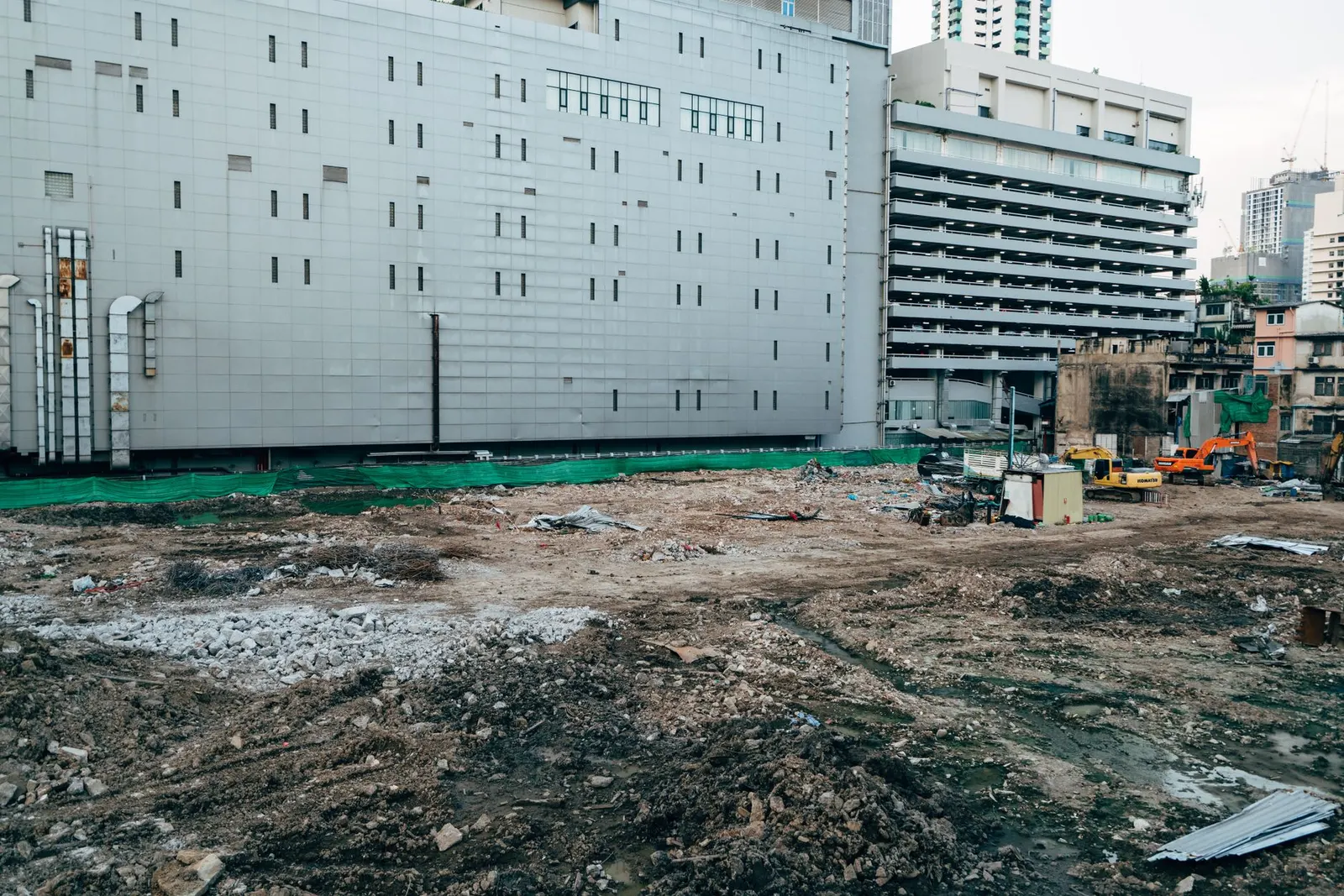
New Cairo is an established upscale urban area that has grown substantially over the past two decades, serving the professional and upper-middle-class population of Greater Cairo. Within it, the Fifth Settlement (Al Tagamoa Al Khamis) is the most established and sought-after district, home to private schools, international hospitals, shopping centres, and the headquarters of numerous major businesses.
Investment Characteristics
Fifth Settlement and the surrounding New Cairo area offer a more immediately liquid property market than the NAC, with an established demand base of domestic professional tenants, expatriate workers, and Egyptian families seeking high-quality housing. The rental market is primarily long-let residential.
EGP-denominated prices in New Cairo rose very sharply in 2024–2025, reflecting both underlying demand and inflation pass-through following pound devaluation. In USD terms, price appreciation has been more moderate. Investors should be clear on whether they are measuring returns in EGP or hard currency terms, as the two can diverge significantly.
Risks to Consider
Traffic congestion between New Cairo and central Cairo remains a persistent issue, though infrastructure investment is ongoing. The market is primarily domestic — rental demand from international tenants is smaller than in some other markets. Currency risk, as with all Egyptian property, is a fundamental consideration.
North Coast and Sahel (Including Ras El Hekma and New Alamein)
Egypt's North Coast stretches along the Mediterranean from Alexandria westward, with the Sahel resort zone — known for its white sand beaches and lagoons — concentrated roughly between Matruh and Alamein. The area has historically served primarily the domestic Egyptian upper-class summer market, with most activity concentrated in July and August.
Why International Attention Is Growing
- The Ras El Hekma zone, approximately 350km from Cairo, became a major focal point in early 2024 following a large-scale investment agreement with UAE sovereign and private investors. Multiple resort and residential projects are being developed, with significant marketing directed at international buyers.
- New Alamein is being developed as a new city with year-round infrastructure, including universities and a cultural hub, with the intention of extending the area's appeal beyond summer.
- Coastal land prices on the North Coast rose sharply in 2024–2025 in EGP terms, reflecting both demand growth and currency-inflation dynamics.
Investment Characteristics
The North Coast primarily suits investors seeking a blend of personal lifestyle use and seasonal rental income. The area is well suited to Egyptian domestic tourism, which provides a real demand base. International short-let demand exists but is smaller than at Red Sea destinations.
Risks to Consider
The North Coast remains a highly seasonal market. Properties that achieve strong occupancy in July and August may sit largely vacant from October to May, significantly affecting annual average yields. The development pipeline is large, and some analysts express caution about supply outstripping near-term demand in certain zones. Infrastructure in earlier-stage areas such as Ras El Hekma is still being delivered.
Red Sea: Hurghada, El Gouna, and Sahl Hasheesh
Hurghada has been Egypt's principal Red Sea resort for foreign property buyers for over two decades. It offers year-round sunshine, direct flights from major European cities, an established diving and watersports scene, and a mature international buyer and rental market.
Hurghada
Hurghada's property market is well-established but varied in quality. The city centre and older resort zones have a mix of property quality; newer projects in the northern resort areas (generally referred to as North Hurghada) and in planned compounds tend to be of higher quality and attract a more international buyer profile.
Year-round tourist demand — driven by European winter sun seekers as well as summer visitors — distinguishes Hurghada from the North Coast's seasonal profile and supports more consistent rental occupancy across the calendar year.
El Gouna
El Gouna is a distinct proposition: a privately planned and managed resort community developed by Orascom about 20km north of Hurghada. It has its own hospitals, schools, supermarkets, and marina infrastructure, and it attracts a stable international resident and visitor population. Properties in El Gouna command a price premium over comparable Hurghada units, reflecting the quality of infrastructure and management. The buyer base includes significant numbers of European, Gulf, and North American investors.
Sahl Hasheesh
Sahl Hasheesh is a large planned resort bay approximately 20km south of Hurghada, featuring a mix of hotel, apartment, and villa developments in a more controlled environment. It is less densely developed than central Hurghada and appeals to buyers seeking a quieter, higher-specification setting.
Risks to Consider
The Red Sea resort market is sensitive to regional security conditions, airline capacity decisions, and European package holiday market trends. Past disruptions — including the suspension of UK direct flights to Hurghada following a 2015 security incident — illustrate that the market can be affected by factors outside the Egyptian government's control. Due diligence on a specific developer's delivery record and property management quality is essential.
Sharm El Sheikh
Sharm El Sheikh, at the southern tip of the Sinai Peninsula, has a long history as an international resort destination and has attracted substantial numbers of European property buyers, particularly from the UK, Germany, and Russia. The market has experienced periods of difficulty — including the suspension of UK direct flights from 2015 until their resumption — but has continued to attract interest.
Investment Characteristics
Sharm offers a well-established short-let tourist rental market, a large base of existing international property owners, and a Red Sea diving and snorkelling environment of global reputation.
Risks to Consider
Property in the Sinai Peninsula is subject to specific legal rules that differ from mainland Egypt. Foreign ownership restrictions and conditions in parts of Sinai require specific legal attention. The history of the market includes periods of significant volatility. Repatriation of proceeds and the proper documentation of original transfer receipts are especially important here. Independent legal advice specific to Sinai property ownership is essential before proceeding.
Area Comparison at a Glance
| Area | Demand Driver | Seasonality | Buyer Profile | Development Stage |
|---|---|---|---|---|
| New Administrative Capital | Government / institutional | Year-round | Domestic + international | Rapidly developing |
| New Cairo / Fifth Settlement | Residential / professional | Year-round | Domestic affluent | Established |
| North Coast / Sahel / Ras El Hekma | Beach tourism | Highly seasonal | Domestic + international | Mixed (some earlier-stage) |
| Hurghada | International resort tourism | Year-round | International | Established |
| El Gouna | Premium resort / international residents | Year-round | International, higher-end | Mature (planned) |
| Sahl Hasheesh | Resort tourism | Year-round | International | Growing |
| Sharm El Sheikh | International resort tourism | Year-round | International (Sinai rules apply) | Established, volatile history |
Indicative as of 2026. Conditions can change.
Further Reading
- Egypt property investment hub
- Current Egypt property listings
- How to buy property in Egypt
- Egypt rental yields and returns
How Global Investments Can Help
Global Investments works across Egypt's principal property investment areas and can help you identify which location aligns with your investment objectives, timeline, and risk appetite. We will give you a direct and honest assessment of the opportunities and the risks in each market, and we will introduce you to independent legal advisers, reputable developers, and on-the-ground professionals. Property values can fall as well as rise, and currency risk is real and material in Egypt.
Frequently asked questions
Which area of Egypt is best for property investment in 2026?
There is no single answer that applies to all investors. The New Administrative Capital suits those seeking exposure to Egypt's long-term institutional growth story. New Cairo and the Fifth Settlement suit residential investors targeting the domestic affluent market. Coastal areas — North Coast, Hurghada, El Gouna, Sharm El Sheikh — suit those focused on tourism-driven rental income. Each carries different risks and return profiles, and personal circumstances and objectives matter.
What is the New Administrative Capital and is it a safe investment?
The New Administrative Capital (NAC) is a major planned city being developed east of Cairo to serve as Egypt's new seat of government and administrative centre. Ministries, embassies, and major infrastructure are being relocated there. The long-term growth narrative is compelling, but the project is large-scale and infrastructure delivery has proceeded in phases. Investors should have a realistic view of the timeline for full occupation and for a liquid resale market to develop.
Is the North Coast a year-round investment or seasonal?
The North Coast (Sahel) has traditionally been highly seasonal, with most activity concentrated in July and August. Newer developments, including projects at Ras El Hekma and New Alamein, are being designed with infrastructure for extended stays, but the area is not yet a year-round destination in the way that Red Sea resorts are. Short-let yields are compressed by short seasonality.
Is El Gouna different from the wider Hurghada market?
El Gouna is a privately planned and managed resort city about 20km north of Hurghada, developed by Orascom. It offers a distinct, more controlled environment with its own infrastructure, hospitals, and schools. Property prices in El Gouna are generally higher than comparable units in the surrounding Hurghada market, but the resident and visitor base is more stable and international. It attracts a different buyer and renter profile.
What is the Ras El Hekma development and why is it attracting attention?
Ras El Hekma is a large coastal zone on the North Coast, approximately 350km from Cairo, which has attracted significant investment following a major agreement with UAE investors in early 2024. Multiple large-scale resort and residential projects are being developed in the area. It is an earlier-stage market with a longer development horizon, and investors should be realistic about the timeline before a mature rental and resale market develops.
Can I buy in Sharm El Sheikh as a foreigner?
Yes. Sharm El Sheikh has historically had a significant international buyer market, including UK, European, and Russian buyers. Foreign ownership rules apply and vary by property type and location within Sinai. Legal advice specific to Sinai property ownership rules (which differ from the mainland) is essential before proceeding.
This guide is for general information only and does not constitute financial, legal or tax advice. Programme rules, prices and tax rates change; verify current requirements with a qualified adviser before acting.