
UK social housing investment is one of the most distinctive income-generating property strategies available to investors in 2026 — and also one of the least understood. This guide explains the structure from first principles: what social housing is, who is involved, how the money flows, and why the investment case is compelling for income-focused buyers both in the UK and overseas.
Investments can fall as well as rise; yields are not guaranteed; government policy and legislation change. Always seek independent professional advice before investing.
The UK housing crisis: why social housing investment matters
The United Kingdom has a chronic shortage of affordable housing. As of 2026, more than 1.1 million households are on local authority waiting lists for social housing in England alone — a figure that has grown every year for the past two decades. Private rents have risen sharply since 2021, and the social housing stock has not kept pace with demand.
This imbalance between supply and demand underpins the investment case. The UK government has consistently prioritised maintaining and expanding the social housing supply, directing funding through local authorities and registered housing providers. That political and financial commitment creates a durable income stream for investors who own the underlying properties.
What is social housing?
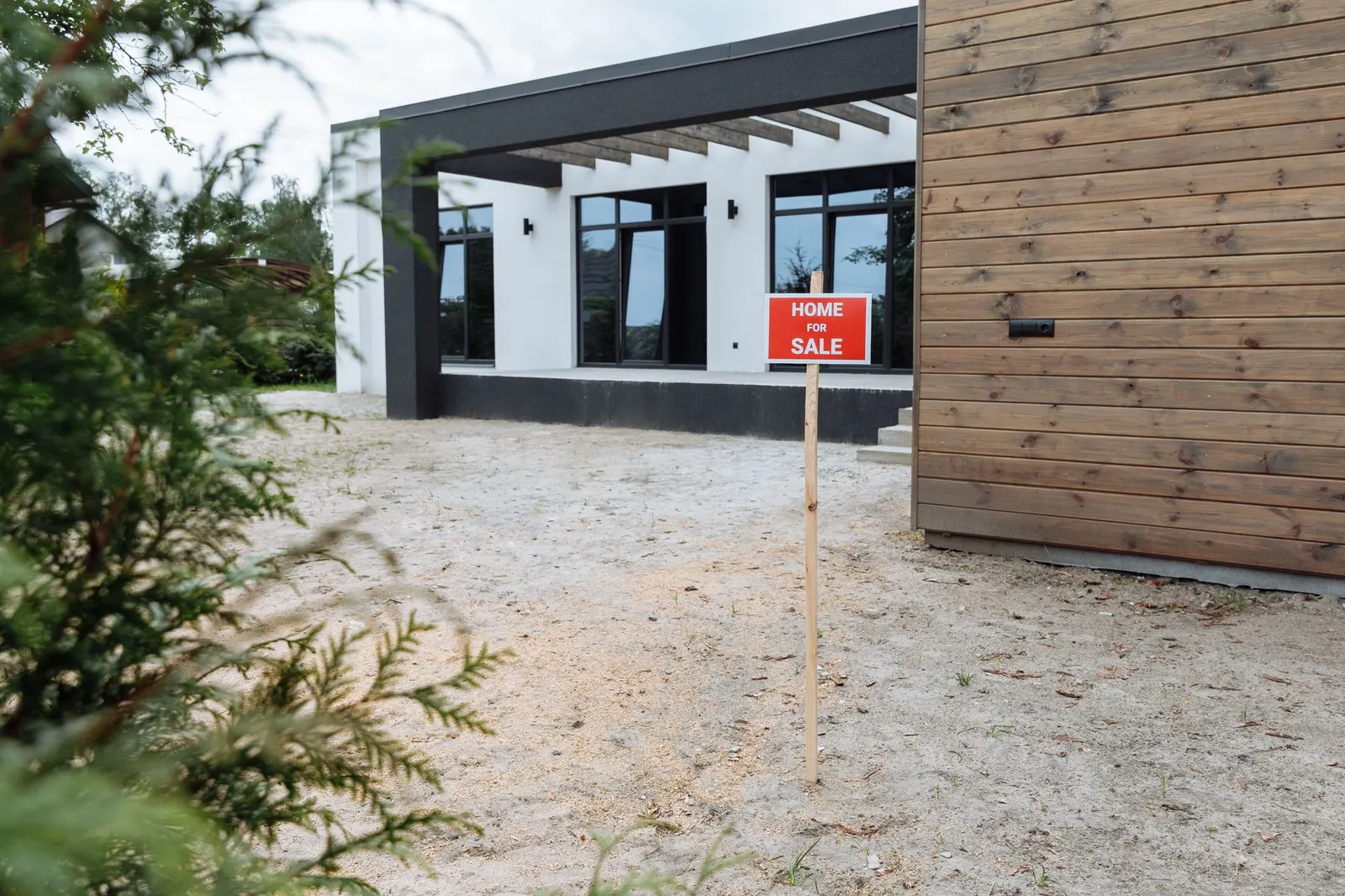
Social housing refers to affordable rental accommodation provided for households who cannot access market-rate housing without support. It is not exclusively for the unemployed; recipients include people on low incomes, those with care needs, domestic abuse survivors, adults in drug and alcohol rehabilitation programmes, asylum seekers and refugees, and individuals leaving institutional care.
The purpose of social housing is to ensure that all UK households have access to a safe, stable, and affordable home. The state funds a significant portion of the cost through the housing benefit system, with tenants contributing a percentage of their income where they are able to do so.
As an investor, you are not the landlord of individual tenants. You own the property and lease it to a registered housing provider — a housing association — which then manages all occupancy.
Who is a registered housing provider?
A registered housing provider (RP) is a housing association that has been approved by the Regulator of Social Housing (RSH) to provide affordable accommodation. RPs are non-profit organisations subject to regulatory standards covering:
- Governance — board competence, risk management, constitutional arrangements
- Financial viability — reserves, debt covenants, stress-testing
- Consumer standards — property safety, repairs, tenant engagement
The RSH publishes an annual register of all approved providers and grades them on governance and viability. The regulatory oversight is a meaningful safeguard for investors, since it makes outright failure of a housing association substantially rarer than failure of an individual private landlord.
How the investment structure works
The money flow in social housing investment involves four layers:
Central Government provides housing benefit funding and sets policy through the Department for Levelling Up, Housing and Communities.
Local authority contracts with registered housing providers to source suitable accommodation for households on its waiting list. The local authority passes rent funding to the RP.
Registered housing provider (housing association) enters a long-term commercial lease with you, the property owner. The RP manages all tenant occupancy and pays you a fixed monthly rent — regardless of whether the unit is currently occupied — under the terms of the lease.
You, the property owner, receive guaranteed monthly income at the agreed rent, with no management obligations, maintenance costs, or void exposure.
The critical distinction from standard buy-to-let is that the contractual relationship is between you and a regulated commercial entity, not between you and an individual tenant. The RP carries the occupancy risk; you carry only the property ownership risk.
Types of property used
Social housing investment typically involves:
Converted apartment blocks — typically 4–20 units, purchased as a whole block or individual flats. Particularly common in northern cities such as Manchester, Leeds, Liverpool, and Newcastle, where lower acquisition costs produce the highest yields.
Terraced and semi-detached houses adapted for supported living — often used for care leavers, adults with learning disabilities, or individuals in rehabilitation programmes. These properties require specific refurbishment to meet regulatory standards.
Houses in Multiple Occupation (HMOs) — shared accommodation where individual tenants have their own rooms and share communal facilities. HMOs registered as social housing are subject to additional local authority licensing requirements.
All properties sold to investors should be fully refurbished to meet HHSRS (Housing Health and Safety Rating System) standards and any applicable local authority requirements before the lease commences. Investors should verify this independently through a surveyor prior to exchange.
Key terms every investor should know
FRI lease (Full Repairing and Insuring) — a commercial lease under which the tenant (the housing association) assumes full responsibility for the repair, maintenance, and insurance of the property. As the landlord, you receive clean income with no deductions for maintenance.
Housing benefit / Local Housing Allowance (LHA) — government payments that fund a portion of rent for social housing tenants. The benefit system provides the underlying income that enables housing associations to pay commercial rents.
HHSRS (Housing Health and Safety Rating System) — the government's framework for assessing residential property hazards. Properties must meet HHSRS standards to be used for social housing.
CPI-linked rent review — a mechanism in many social housing leases that increases rent each year in line with the Consumer Price Index, protecting the real value of your income over time.
Regulator of Social Housing (RSH) — the independent body responsible for setting and enforcing standards for registered housing providers in England.
How social housing compares to standard buy-to-let
| Factor | Social housing investment | Standard buy-to-let |
|---|---|---|
| Typical NET yield | 8–10% | 2–4% |
| Void risk | Nil (rent paid regardless) | 3–8% per year |
| Management burden | None (FRI lease) | Significant or letting agent fees |
| Tenant type | Regulated housing association | Individual occupant |
| Maintenance costs | None (FRI) | £1,000–£3,000+ per year |
| Lease length | 10–25 years | Typically 6–12 month ASTs |
| Income predictability | Very high | Moderate |
| Regulatory exposure | Simpler (no Renters Reform Act AST complications) | Increasing (Section 21 abolition, EPC requirements) |
| Capital growth | Modest | Varies by market |
Social housing does not outperform standard buy-to-let on every measure. Capital appreciation is typically more modest — the investment thesis is primarily income-led. Resale is into a specialist market, so liquidity can be slower than mainstream residential property. These characteristics make it better suited to income-seeking investors than those primarily targeting capital growth.
The regulatory environment in 2026
The UK social housing sector has benefited from sustained government commitment to expanding the social housing supply. The 2023 Social Housing Regulation Act strengthened the RSH's powers and introduced Awaab's Law — requiring housing providers to address mould, damp, and hazards within defined timeframes. This raises operating standards across the sector and, by extension, maintains the quality of the property you own.
The government's 2021 Affordable Homes Programme committed £11.5 billion to new affordable housing supply over five years — a clear signal of continued state commitment to the sector.
For investors, the key policy risk is any change to housing benefit rates or the structure of the benefit system. Significant cuts to housing benefit would reduce the income flowing to housing associations and could affect their ability to sustain commercial lease obligations. This risk is real but has historically been contained by the political difficulty of reducing housing support for the country's most vulnerable residents.
Is social housing investment right for you?
Social housing investment is particularly well-suited to:
- Overseas investors who want UK property exposure without any on-the-ground management requirement
- Income investors seeking yields substantially above what mainstream UK property markets can deliver
- Risk-averse investors who value contractual income predictability over capital growth potential
- Pension-stage investors building a passive income portfolio that requires minimal ongoing attention
It is less well-suited to investors primarily motivated by capital growth, or those who want the flexibility of short-term tenancies and vacant possession.
How Global Investments can help
Global Investments has been sourcing UK and international property investments for clients for over 32 years. Our UK team works with a select group of regulated housing providers and specialist developers to identify social housing stock that meets our quality and compliance standards.
We provide:
- Introduction to fully FRI-leased, refurbished social housing units
- Introductions to specialist solicitors for conveyancing and lease review
- Guidance on SDLT, income tax, and non-resident landlord obligations for overseas buyers
- Ongoing support throughout the investment lifecycle
Speak to a Global Investments adviser to discuss current social housing availability and whether this strategy fits your financial objectives.
Frequently asked questions
Is social housing investment legal and regulated?
Yes. Social housing in the UK operates within a tightly regulated framework. Housing associations (registered providers) are overseen by the Regulator of Social Housing (RSH) and must comply with strict standards on governance, viability, and tenant welfare. As a property owner, you are the freeholder or leaseholder entering a commercial lease with a regulated entity — the transaction is standard conveyanced property purchase.
How is social housing investment different from buy-to-let?
The most significant difference is that your tenant is a registered housing association rather than an individual. The housing association manages all occupancy, pays rent regardless of whether the underlying unit is occupied, and handles all maintenance under an FRI (Full Repairing and Insuring) lease. You receive a fixed commercial income without any landlord management obligations.
What types of property are used for social housing investment?
Most social housing investment stock is residential: converted apartment blocks, terraced houses adapted for supported living, and purpose-refurbished HMOs. The common denominator is that properties are fully refurbished to HHSRS (Housing Health and Safety Rating System) and local authority standards before sale.
Can overseas investors buy UK social housing?
Yes. There are no legal restrictions on non-UK residents purchasing residential property in England and Wales. Overseas buyers do face a 2% stamp duty surcharge on top of standard rates (as of 2026), and rental income is taxable in the UK. The hands-free nature of social housing makes it particularly well-suited to investors who cannot manage a property from abroad.
What is the minimum investment for UK social housing?
Entry prices vary by region and property type, but most social housing units are priced between £80,000 and £200,000. Properties in northern England and the Midlands are typically at the lower end of this range, offering the strongest yields relative to purchase price.
This guide is for general information only and does not constitute financial, legal or tax advice. Programme rules, prices and tax rates change; verify current requirements with a qualified adviser before acting.